Summer Reset: Ayurvedic + Nutrition Wisdom for National Wellness Month

Dani Lima • August 14, 2026

August is National Wellness Month, and it couldn't land at a better time of year. We're deep in the heart of summer, a season of heat, brightness, and constant motion. For anyone managing a chronic condition, this combination of "new year of wellness intentions" and peak summer heat is worth paying close attention to.


As a Registered Dietitian Nutritionist and Ayurveda counselor, I sit at the intersection of two worlds every day, blending Western clinical nutrition with the older, seasonal wisdom of Ayurveda. And I've found that summer, more than any other season, is where the two systems agree the loudest: cool down, slow down, and don't force it.

Here's how I'm thinking about wellness this month, especially for those of you navigating chronic conditions.


Why Summer Hits Differently When You Have a Chronic Condition


Heat is a stressor. For most people that just means feeling a little sluggish. But if you're living with an autoimmune condition, IBS or another digestive disorder, chronic fatigue, migraines, or a cardiovascular or metabolic condition, summer heat can genuinely aggravate symptoms:


  • Inflammation and autoimmune flares often track with excess heat and internal imbalance
  • Digestive strength can actually become erratic in extreme heat, not just "stronger." This can lead to acid reflux, loose stools, or appetite swings
  • Dehydration compounds fatigue, brain fog, and joint pain
  • Sleep disruption from heat undermines the recovery chronic conditions depend on


National Wellness Month tends to get marketed as a month of ambitious new habits, like new workout routines, detoxes, and 5 a.m. routines. For someone managing a chronic condition, that framing can actually backfire. This month, I'd rather reframe wellness as restoration, not achievement.


Cooling the System: An Ayurvedic Approach to Summer


Ayurveda's guidance for summer is refreshingly simple, and it pairs well with clinical nutrition advice:

1. Favor cooling, hydrating foods. Think cucumber, melon, coconut, mint, cilantro, leafy greens, and soaked chia or fennel seeds. Reduce excess chili, fried food, and heavy red meat, which generate internal heat.


2. Hydrate with intention, not just volume. Room-temperature or slightly cool water (never ice-cold, which can blunt digestion) infused with mint, cucumber, or coriander seed supports both Ayurvedic cooling and RDN-standard hydration needs.


3. Eat your largest meal at midday. This aligns with when digestive capacity is naturally strongest and avoids the sluggish, heavy feeling of a large evening meal in the heat.


4. Move earlier or later in the day. Ayurveda has always recommended avoiding intense activity during peak sun (roughly 10am to 2pm), advice that happens to match modern guidance for anyone with cardiovascular or autoimmune sensitivity to heat.


5. Protect sleep. Cooling the body before bed with a lukewarm shower, a foot soak, or a few minutes of slow, cooling breathwork supports the deep rest chronic conditions require to regulate.


A Gentle National Wellness Month Practice


Instead of a 31-day challenge, consider inviting your community (or yourself) to pick one small, sustainable shift for the month:

  • Swap one caffeinated or iced drink a day for cooling herbal tea or infused water
  • Add one cooling food to lunch each day
  • Take a 10-minute walk before 9am instead of a workout at noon
  • Set a consistent, earlier bedtime three nights a week

Small, seasonally aligned changes tend to stick, and they don't ask an already taxed nervous system to do more.


The Bigger Picture


What I love about combining Ayurveda and clinical nutrition is that neither one treats the body as separate from the season. Chronic conditions are already asking the body to work harder to find balance. The least we can do this August is stop working against the weather, too.

If you're navigating a chronic condition this summer, I'd love to help you build a personalized plan that blends evidence-based nutrition with Ayurvedic seasonal wisdom. Reach out, since National Wellness Month is the perfect time to start.


Dani Lima RDN, Ayurveda Wellness Counselor

By Dani Lima • September 11, 2026
Building Healthy Habits for Children Without the Pressure September is National Childhood Obesity Awareness Month, a time to bring attention to childhood nutrition, healthy growth, and the importance of creating supportive environments where children can develop healthy habits.  When we talk about childhood weight, the conversation should never be about making children feel ashamed of their bodies or putting them on restrictive diets. Healthy children come in different shapes and sizes. The goal should be to support their growth, development, energy, confidence, and relationship with food. Start With Healthy Habits, Not the Scale Children are constantly growing and changing. Their nutritional needs are different from adults, and focusing too much on weight can create unnecessary stress around food and body image. Instead, families can focus on simple habits that support overall health. Include fruits and vegetables throughout the day. Offer protein rich foods at meals and snacks. Choose whole grains and other high fiber foods. Make water the primary beverage. Include nutritious sources of calcium and vitamin D. Keep balanced snacks available at home. Encourage daily movement that children enjoy. Prioritize consistent and adequate sleep. Create healthy boundaries around screen time. Small habits practiced consistently can make a meaningful difference over time. Create a Healthy Relationship With Food One of the most important things parents can do is avoid labeling foods as simply good or bad. Instead, teach children that different foods provide different nutrients and that all foods can have a place in a balanced eating pattern. Parents can also model healthy behaviors because children learn a great deal by watching the adults around them. Instead of saying, “You can't have that because it is unhealthy,” try saying, “Let's add some protein and fruit to make this snack more balanced and filling.” This approach teaches children how to build balanced meals rather than fear certain foods. Build a Balanced Plate A simple way to encourage balanced meals is to include vegetables or fruit, a source of protein, a carbohydrate such as whole grains, and a source of healthy fat when appropriate. Portions will vary based on a child's age, growth, activity level, appetite, and individual nutritional needs. The goal is not perfection. The goal is to provide nutritious foods consistently and allow children to develop healthy eating habits over time. Make Movement Fun Physical activity should not be used as punishment for eating. Children should be encouraged to move because movement supports physical health, emotional well being, strength, coordination, and confidence. Families can enjoy activities such as walking together, riding bikes, dancing, swimming, playing at the park, hiking, playing sports, or simply spending time outdoors. The best activity is often the one a child enjoys and wants to continue doing. Focus on Health, Not Shame Childhood weight is influenced by many factors, including nutrition, physical activity, sleep, genetics, medications, stress, environment, and access to nutritious foods. This means childhood weight should never be reduced to a simple matter of willpower or eating less. Children deserve compassion, encouragement, and support while families receive practical and evidence based nutrition guidance. If you are concerned about your child's growth, eating habits, or nutritional needs, talk with your child's pediatrician and a qualified pediatric dietitian. A child's growth should be evaluated individually and in the context of their overall health and development. This September, Let's Change the Conversation Childhood health is not about achieving a certain body size. It is about helping children grow, learn, play, sleep, eat, and feel their best. Let's raise children who understand how to nourish their bodies rather than children who are afraid of food or their own reflection. This September, let's focus on healthy habits, positive relationships with food, joyful movement, and lifelong wellness. Healthy habits start at home, and they start with us. Dani Lima, RDN, LD Good Health Organizing Nourishing Your Body, Mind & Well Being
July Is Chronic Disease Awareness Month: Why Prevention Starts with Your Daily Choices
By Dani Lima • July 16, 2026
July Is Chronic Disease Awareness Month: Why Prevention Starts with Your Daily Choices
By Dani Lima • June 11, 2026
Men’s Health is often delayed, minimized, or ignored until something becomes serious. But the reality is that men continue to face higher rates of preventable disease and earlier death compared to women. In the United States, men are more likely to die from leading causes such as heart disease, cancer, and diabetes complications, and on average they live about 5 years less than women. Many of these conditions are strongly influenced by lifestyle factors—especially nutrition, stress, sleep, and daily habits. The important part: most of these risks are not sudden. They build over time. Signs like low energy, weight gain, high blood sugar, high blood pressure, poor sleep, and digestive issues are often early warnings that the body is out of balance. This is where working with a specialist makes a difference. As a Registered Dietitian Nutritionist (RDN) and an Ayurvedic Counselor in training, I bring a dual approach: As a dietitian, I focus on: ✔️ Evidence-based nutrition for prevention and disease management ✔️ Diabetes, heart health, weight management, and metabolic health ✔️ Practical, realistic changes that fit your lifestyle Through Ayurveda, I also consider: ✔️ Digestion and gut health (the foundation of wellness) ✔️ Stress and nervous system balance ✔️ Sleep quality and daily routines ✔️ Individual constitution—because no two people are the same This combined approach helps identify not just what to eat, but why your body is responding the way it is. Working with a specialist means you are not guessing anymore. You are getting personalized guidance, structure, and accountability based on both science and individualized care. Most men don’t need extreme diets. They need consistency, clarity, and a plan that actually fits their real life. This Men’s Health Month, I encourage men to stop waiting for symptoms to become diagnoses. Your health is your foundation—for your work, your family, and your future. 💙 Dani Lima, RDN Helping men improve metabolic health through nutrition, lifestyle, and individualized care. #MensHealthMonth #MensHealth #HeartHealth #DiabetesPrevention #RegisteredDietitian #Ayurveda #PreventiveHealth #NutritionSupport #HealthyLifestyle #MensWellness
World Hypertension Day and National Blood Pressure Education Month
By Dani Lima • May 5, 2026
Understanding the “Silent Killer” and How to Take Control High blood pressure, also known as Hypertension, is often called the silent killer for good reason. It develops quietly without obvious symptoms, yet it significantly increases the risk of heart disease, stroke, kidney failure, and other life threatening conditions. Two important health observances bring awareness to this issue each year.
By Dani Lima • April 6, 2026
Becoming a Registered Dietitian—And Why That Was Only the Beginning Exploring the deeper connection between nutrition, emotions, and true healing
By Dani Lima • March 25, 2026
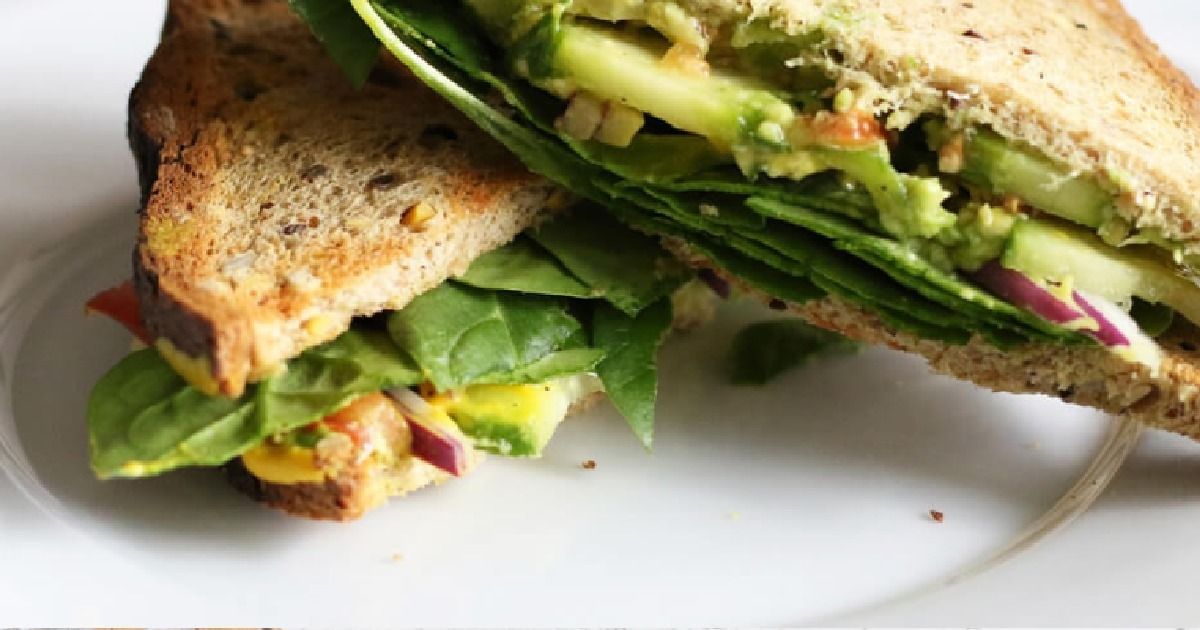
Toasted Veggie Sandwich
By Dani Lima • March 18, 2026
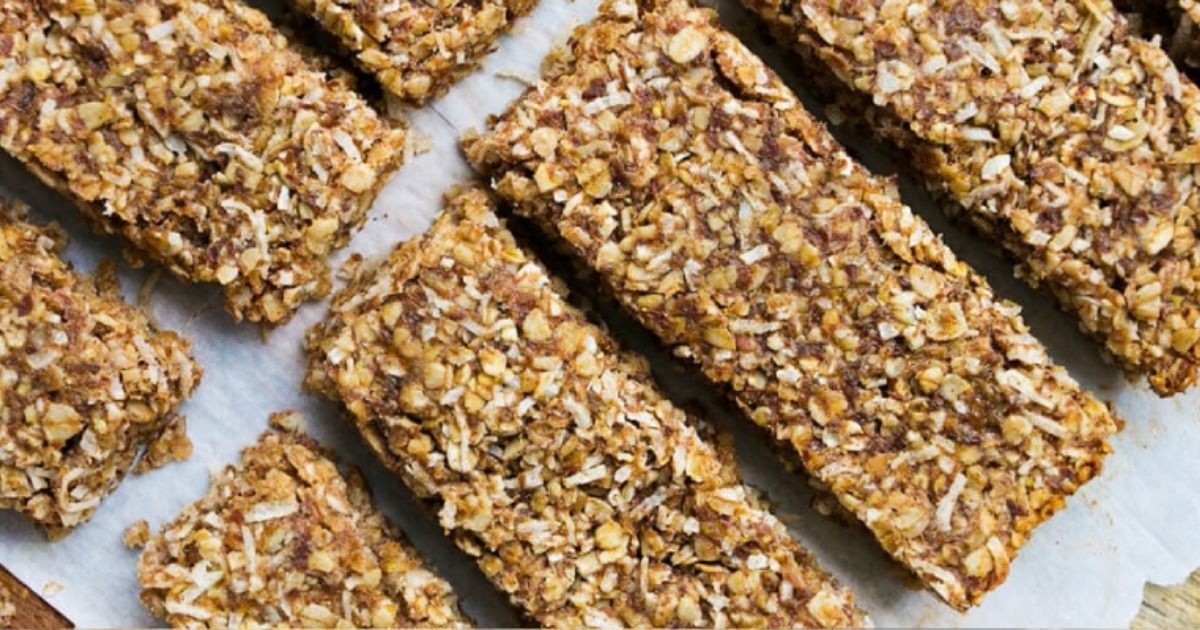
Banana Coconut Protein Bars
Coconut Cod & Spinach with Rice
By Dani Lima • March 11, 2026
Coconut Cod & Spinach with Rice
By Dani Lima • March 4, 2026
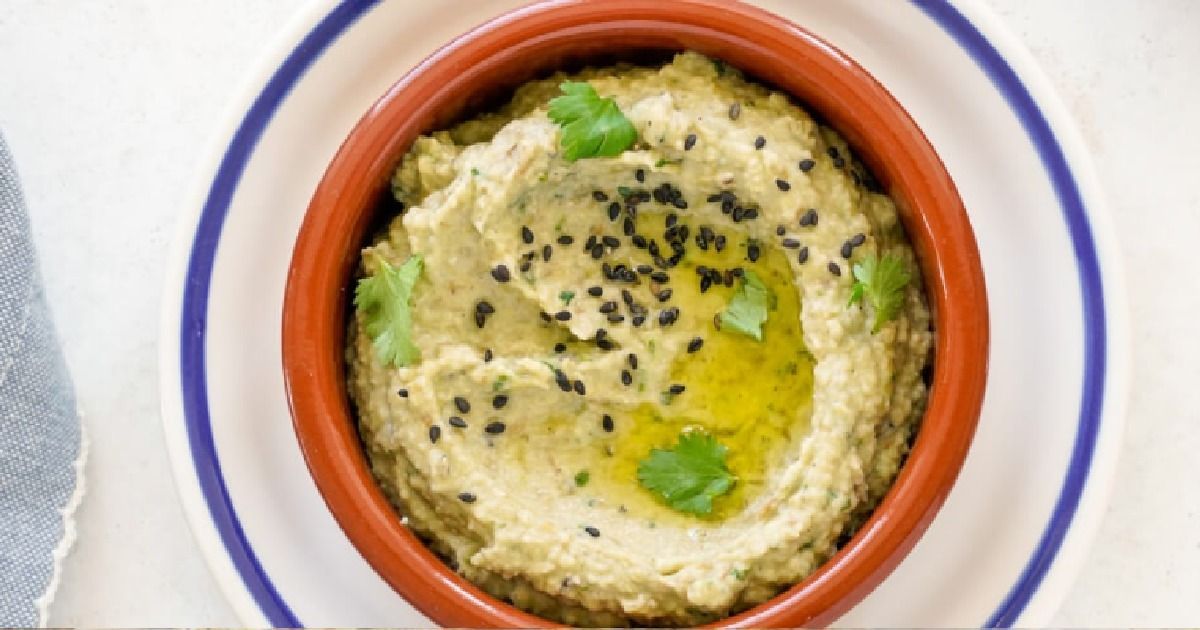
Mung Bean & Avocado Dip
Show More