Becoming a Registered Dietitian—And Why That Was Only the Beginning

Dani Lima • April 6, 2026

Becoming a Registered Dietitian—And Why That Was Only the Beginning


Exploring the deeper connection between nutrition, emotions, and true healing


Becoming a Registered Dietitian

Becoming a Registered Dietitian was one of the most difficult things I have ever done. It required years of studying, internships, exams, and countless hours of dedication.

When I finally completed the journey and earned my license, I felt incredibly proud—but I also quickly realized something that surprised me.

Our profession is often misunderstood.

Many physicians rarely refer patients to dietitians, even though nutrition is one of the most powerful tools we have for preventing and managing chronic disease. At the same time, the internet is flooded with “coaches” who believe they know better simply because they lost weight or achieved what they consider a “perfect body.”

Then there are the endless extreme diets—people starving themselves, cutting out entire food groups, and now the growing use of weight-loss medications without fully understanding the long-term consequences.

Every day, I see clients who are more concerned about their appearance than their overall health. They focus on the number on the scale instead of what is happening inside their bodies—blood sugar, inflammation, gut health, and long-term disease risk.

And that’s when something became very clear to me.

Our profession was missing a deeper piece of the puzzle.

Why I Chose to Study Ayurveda

That realization led me back to school—this time to study Ayurveda.

Ayurveda is a system of medicine that has existed for over 5,000 years. And let me tell you… when I thought dietetics was challenging, Ayurveda is not simple either.

In many ways, I had to take everything I previously learned, place it into a box, and begin again—this time from a completely different perspective.

And yes, many of the teachings are in Sanskrit, which means learning a new language and an entirely new way of thinking about health, the body, and healing.

But what fascinates me the most is something that conventional nutrition and medicine often overlook:

the emotional component of health.


The Missing Link: Emotions and Health

Ayurveda teaches that true health is not just physical—it is the balance of body, mind, and emotions.

Emotions are deeply connected to stress, and stress has a powerful impact on the body.

Think about childhood. Maybe someone made fun of you, or you experienced something painful or stressful. If those emotions were never processed or healed, they don’t just disappear.

They stay with you.

They can shape your behaviors, your relationship with food, your stress response, and even your physical health later in life.

This is something I see very often in my practice.

The Gut–Brain Connection

Even digestive health is connected to this.

The gastrointestinal system—your stomach, small intestine, and large intestine—is often referred to as the “second brain.” Modern research continues to explore the gut–brain axis, showing a strong connection between emotions, stress, and digestion.

Stress can affect:

  • Gut motility (how fast or slow food moves)
  • Nutrient absorption
  • Bloating and discomfort
  • Bowel regularity

So sometimes, symptoms like digestive issues, irregular bowel movements, or chronic discomfort are not only about food.

They are also about stress, emotions, and nervous system balance.


Why I’m Combining Both Worlds

That is why I am on this new journey.

Not because I want to replace dietetics.
Not because this is a competition.

But because I truly believe that combining modern nutrition science with ancient wisdom allows us to help people in a deeper, more meaningful way.

Science gives us evidence, structure, and measurable outcomes.
Ayurveda brings awareness, individuality, and a mind-body connection that is often missing in modern care.


And when you put those together?


That’s where real healing can begin.


My Approach to Health

My approach is not about quick fixes, extreme diets, or chasing a certain look.

It’s about:

  • Understanding your body
  • Supporting chronic conditions with evidence-based nutrition
  • Exploring root causes—not just symptoms
  • Addressing stress, habits, and emotional health
  • Creating sustainable, realistic changes

Because true health is not something you achieve for a moment.

It’s something you build for a lifetime.


A Personal Note

Today, I simply wanted to share a little more about who I am and why my approach to health might be different.

My mission has always been the same:

To help people truly heal and understand their bodies.

So today, let’s celebrate growth, learning, and new paths.

And if you ever have questions about your health, nutrition, or chronic disease…

You know where to find me.

With love,
Dani

By Dani Lima • September 11, 2026
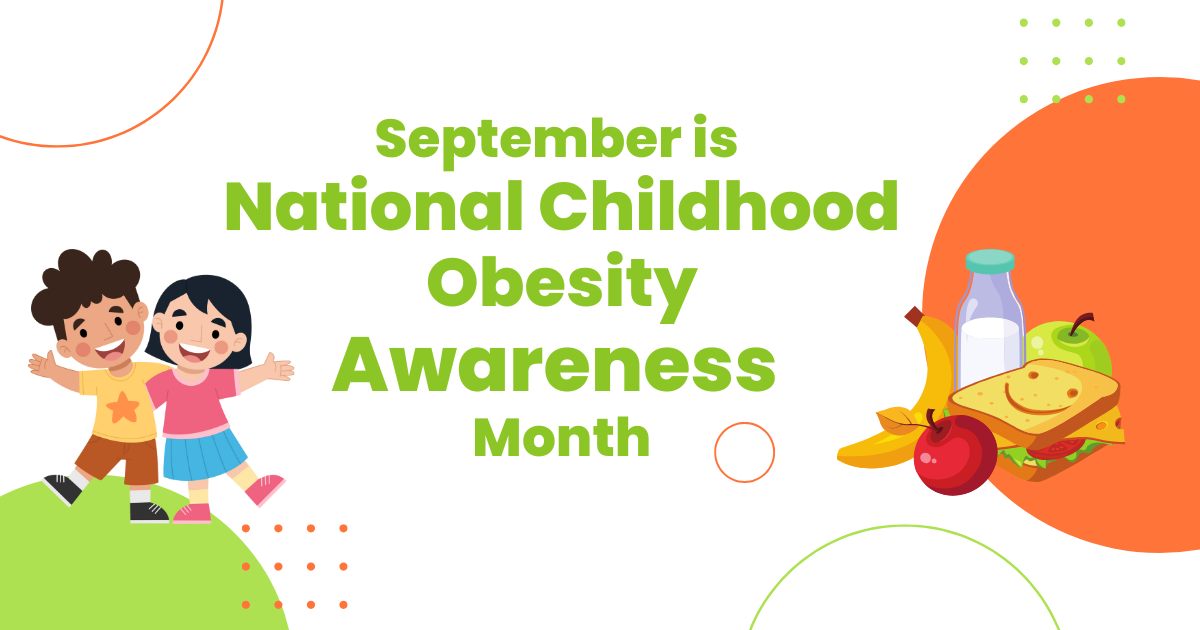
Building Healthy Habits for Children Without the Pressure September is National Childhood Obesity Awareness Month, a time to bring attention to childhood nutrition, healthy growth, and the importance of creating supportive environments where children can develop healthy habits.  When we talk about childhood weight, the conversation should never be about making children feel ashamed of their bodies or putting them on restrictive diets. Healthy children come in different shapes and sizes. The goal should be to support their growth, development, energy, confidence, and relationship with food. Start With Healthy Habits, Not the Scale Children are constantly growing and changing. Their nutritional needs are different from adults, and focusing too much on weight can create unnecessary stress around food and body image. Instead, families can focus on simple habits that support overall health. Include fruits and vegetables throughout the day. Offer protein rich foods at meals and snacks. Choose whole grains and other high fiber foods. Make water the primary beverage. Include nutritious sources of calcium and vitamin D. Keep balanced snacks available at home. Encourage daily movement that children enjoy. Prioritize consistent and adequate sleep. Create healthy boundaries around screen time. Small habits practiced consistently can make a meaningful difference over time. Create a Healthy Relationship With Food One of the most important things parents can do is avoid labeling foods as simply good or bad. Instead, teach children that different foods provide different nutrients and that all foods can have a place in a balanced eating pattern. Parents can also model healthy behaviors because children learn a great deal by watching the adults around them. Instead of saying, “You can't have that because it is unhealthy,” try saying, “Let's add some protein and fruit to make this snack more balanced and filling.” This approach teaches children how to build balanced meals rather than fear certain foods. Build a Balanced Plate A simple way to encourage balanced meals is to include vegetables or fruit, a source of protein, a carbohydrate such as whole grains, and a source of healthy fat when appropriate. Portions will vary based on a child's age, growth, activity level, appetite, and individual nutritional needs. The goal is not perfection. The goal is to provide nutritious foods consistently and allow children to develop healthy eating habits over time. Make Movement Fun Physical activity should not be used as punishment for eating. Children should be encouraged to move because movement supports physical health, emotional well being, strength, coordination, and confidence. Families can enjoy activities such as walking together, riding bikes, dancing, swimming, playing at the park, hiking, playing sports, or simply spending time outdoors. The best activity is often the one a child enjoys and wants to continue doing. Focus on Health, Not Shame Childhood weight is influenced by many factors, including nutrition, physical activity, sleep, genetics, medications, stress, environment, and access to nutritious foods. This means childhood weight should never be reduced to a simple matter of willpower or eating less. Children deserve compassion, encouragement, and support while families receive practical and evidence based nutrition guidance. If you are concerned about your child's growth, eating habits, or nutritional needs, talk with your child's pediatrician and a qualified pediatric dietitian. A child's growth should be evaluated individually and in the context of their overall health and development. This September, Let's Change the Conversation Childhood health is not about achieving a certain body size. It is about helping children grow, learn, play, sleep, eat, and feel their best. Let's raise children who understand how to nourish their bodies rather than children who are afraid of food or their own reflection. This September, let's focus on healthy habits, positive relationships with food, joyful movement, and lifelong wellness. Healthy habits start at home, and they start with us. Dani Lima, RDN, LD Good Health Organizing Nourishing Your Body, Mind & Well Being
Summer Reset: Ayurvedic + Nutrition Wisdom for National Wellness Month
By Dani Lima • August 14, 2026
Summer Reset: Ayurvedic + Nutrition Wisdom for National Wellness Month
July Is Chronic Disease Awareness Month: Why Prevention Starts with Your Daily Choices
By Dani Lima • July 16, 2026
July Is Chronic Disease Awareness Month: Why Prevention Starts with Your Daily Choices
By Dani Lima • June 11, 2026
Men’s Health is often delayed, minimized, or ignored until something becomes serious. But the reality is that men continue to face higher rates of preventable disease and earlier death compared to women. In the United States, men are more likely to die from leading causes such as heart disease, cancer, and diabetes complications, and on average they live about 5 years less than women. Many of these conditions are strongly influenced by lifestyle factors—especially nutrition, stress, sleep, and daily habits. The important part: most of these risks are not sudden. They build over time. Signs like low energy, weight gain, high blood sugar, high blood pressure, poor sleep, and digestive issues are often early warnings that the body is out of balance. This is where working with a specialist makes a difference. As a Registered Dietitian Nutritionist (RDN) and an Ayurvedic Counselor in training, I bring a dual approach: As a dietitian, I focus on: ✔️ Evidence-based nutrition for prevention and disease management ✔️ Diabetes, heart health, weight management, and metabolic health ✔️ Practical, realistic changes that fit your lifestyle Through Ayurveda, I also consider: ✔️ Digestion and gut health (the foundation of wellness) ✔️ Stress and nervous system balance ✔️ Sleep quality and daily routines ✔️ Individual constitution—because no two people are the same This combined approach helps identify not just what to eat, but why your body is responding the way it is. Working with a specialist means you are not guessing anymore. You are getting personalized guidance, structure, and accountability based on both science and individualized care. Most men don’t need extreme diets. They need consistency, clarity, and a plan that actually fits their real life. This Men’s Health Month, I encourage men to stop waiting for symptoms to become diagnoses. Your health is your foundation—for your work, your family, and your future. 💙 Dani Lima, RDN Helping men improve metabolic health through nutrition, lifestyle, and individualized care. #MensHealthMonth #MensHealth #HeartHealth #DiabetesPrevention #RegisteredDietitian #Ayurveda #PreventiveHealth #NutritionSupport #HealthyLifestyle #MensWellness
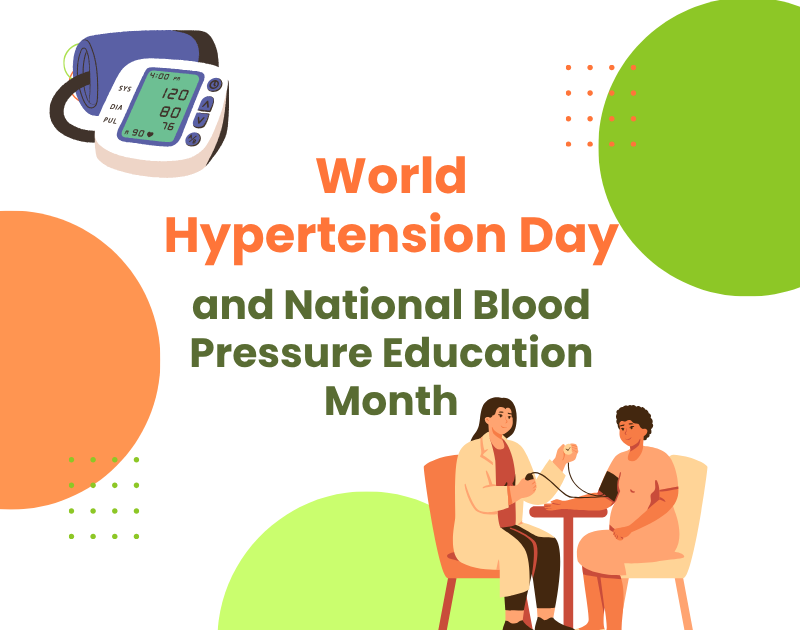
World Hypertension Day and National Blood Pressure Education Month
By Dani Lima • May 5, 2026
Understanding the “Silent Killer” and How to Take Control High blood pressure, also known as Hypertension, is often called the silent killer for good reason. It develops quietly without obvious symptoms, yet it significantly increases the risk of heart disease, stroke, kidney failure, and other life threatening conditions. Two important health observances bring awareness to this issue each year.
By Dani Lima • March 25, 2026
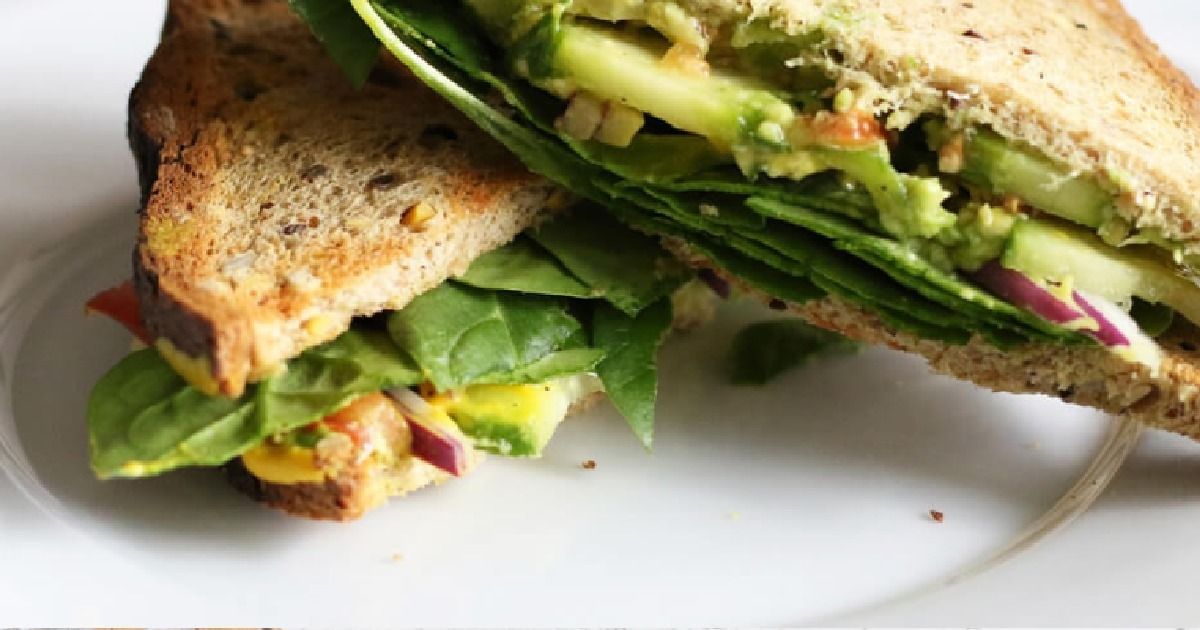
Toasted Veggie Sandwich
By Dani Lima • March 18, 2026
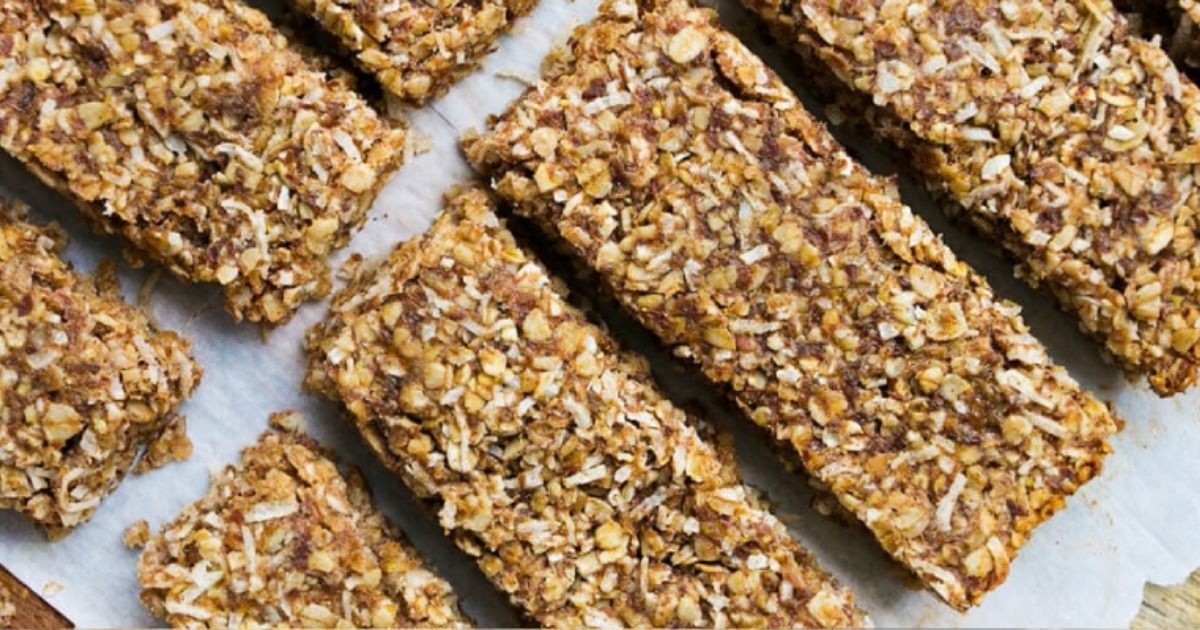
Banana Coconut Protein Bars
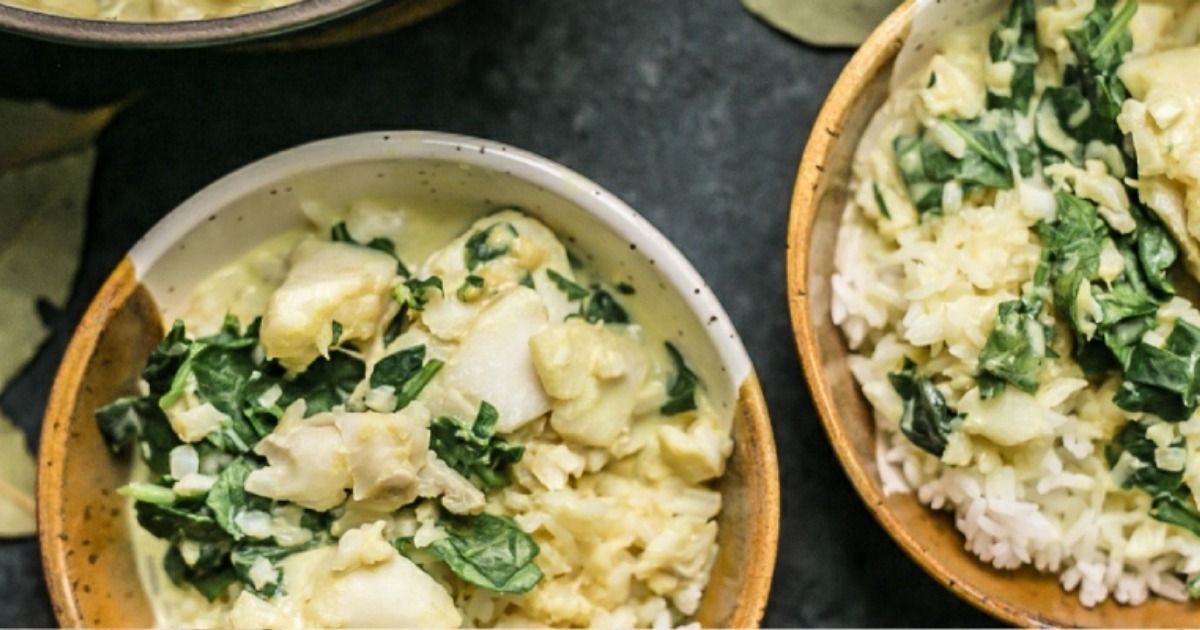
Coconut Cod & Spinach with Rice
By Dani Lima • March 11, 2026
Coconut Cod & Spinach with Rice
By Dani Lima • March 4, 2026
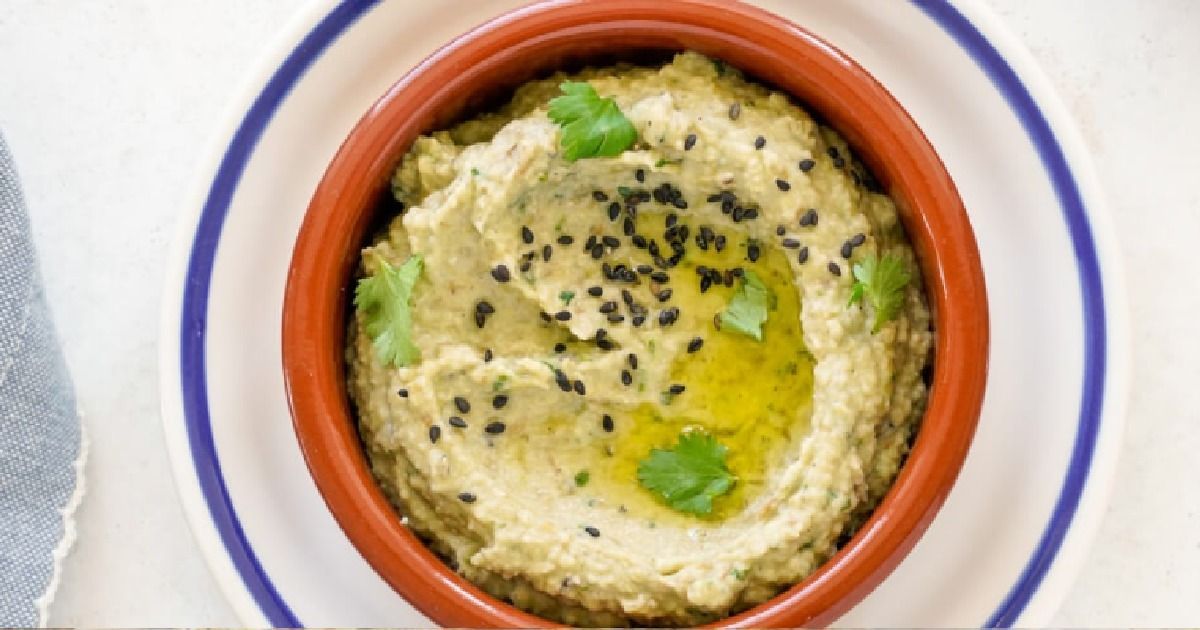
Mung Bean & Avocado Dip
Show More