World Hypertension Day and National Blood Pressure Education Month
Understanding the “Silent Killer” and How to Take Control
High blood pressure, also known as Hypertension, is often called the silent killer for good reason. It develops quietly without obvious symptoms, yet it significantly increases the risk of heart disease, stroke, kidney failure, and other life threatening conditions.
Two important health observances bring awareness to this issue each year.
What is World Hypertension Day
World Hypertension Day, observed on May 17, is a global initiative led by the World Hypertension League. Its mission is simple and powerful. Increase awareness, prevention, and control of high blood pressure worldwide.
This day highlights a critical reality.
Nearly half of adults with hypertension do not know they have it.
Many who are diagnosed still struggle with proper management.
It is not just about awareness. It is about action.
National Blood Pressure Education Month
In the United States, May is also National Blood Pressure Education Month, supported by organizations like the American Heart Association.
This campaign focuses on encouraging regular blood pressure monitoring, educating individuals on healthy lifestyle habits, and preventing long term complications.
Together, these observances remind us that prevention and early intervention can save lives.
Why Hypertension Matters
Uncontrolled hypertension can lead to heart disease, stroke, kidney damage, vision loss, and cognitive decline.
The reality is that you can feel completely fine while damage is happening internally.
Prevention Through Dietitian Care
As a registered dietitian, this is where real and sustainable change happens.
Key Nutrition Strategies
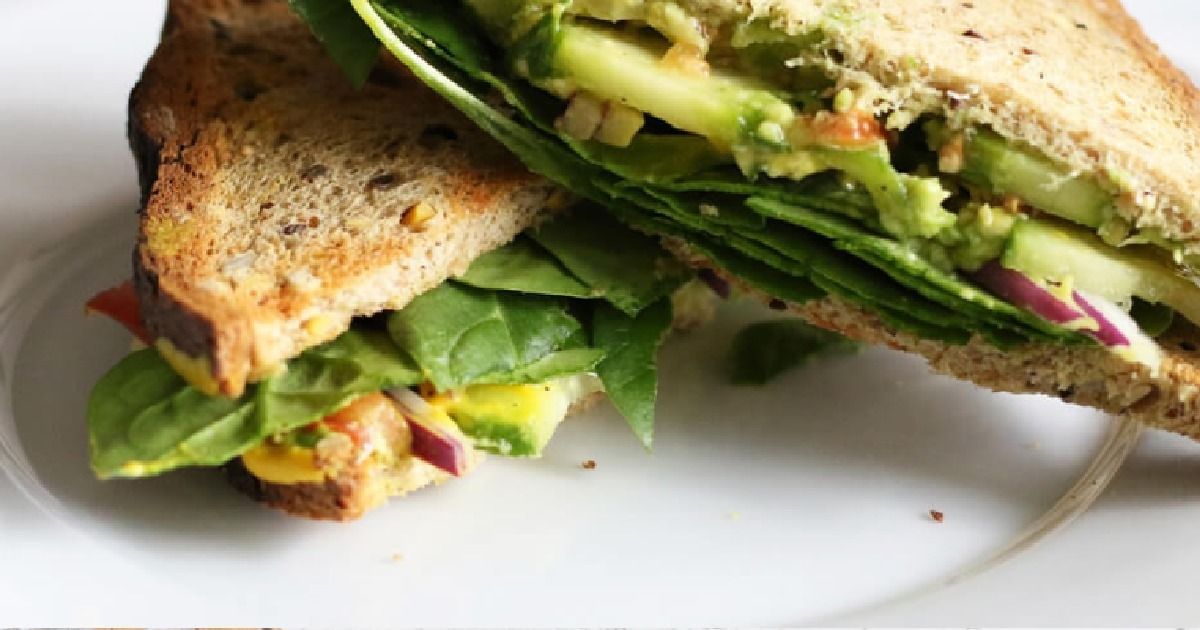
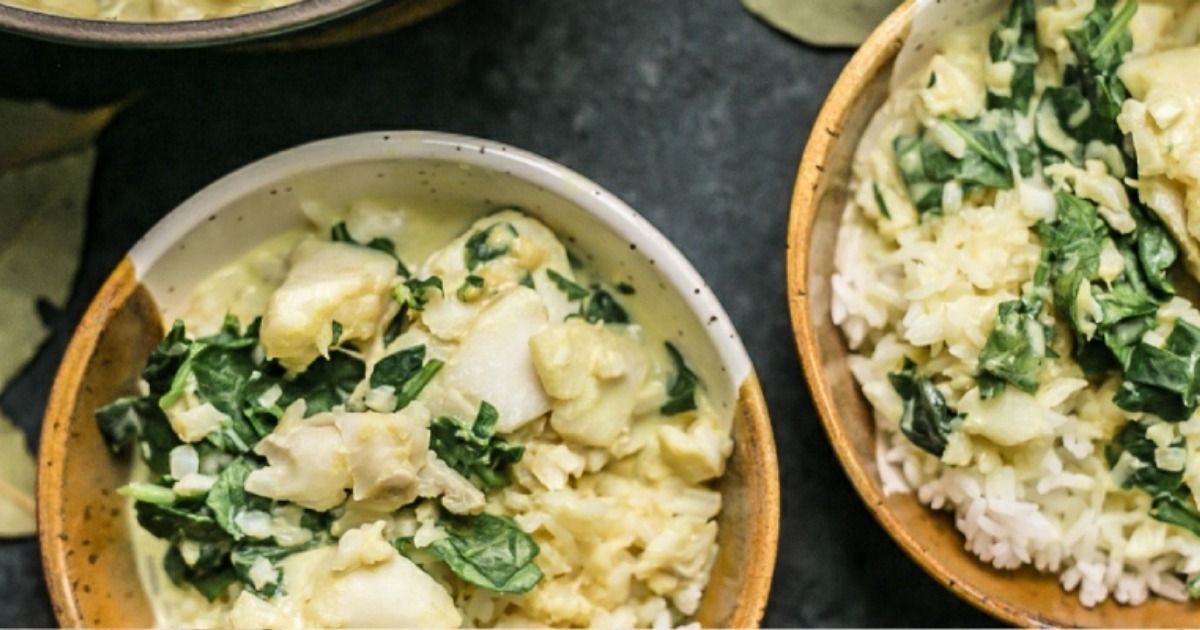
Focus on whole foods such as fresh fruits and vegetables, whole grains, legumes and beans, and lean proteins. These foods are rich in potassium, fiber, and antioxidants, which play a key role in lowering blood pressure.
Reduce sodium intake by aiming for less than 2,300 milligrams per day or lower when appropriate. Limiting processed and packaged foods is essential.
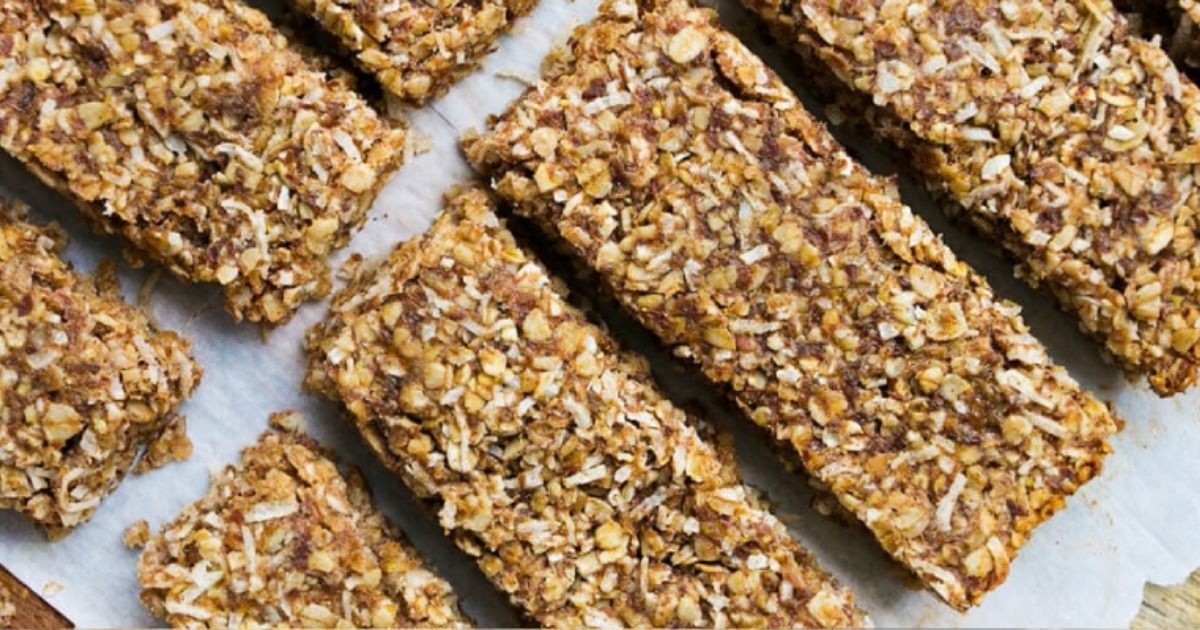
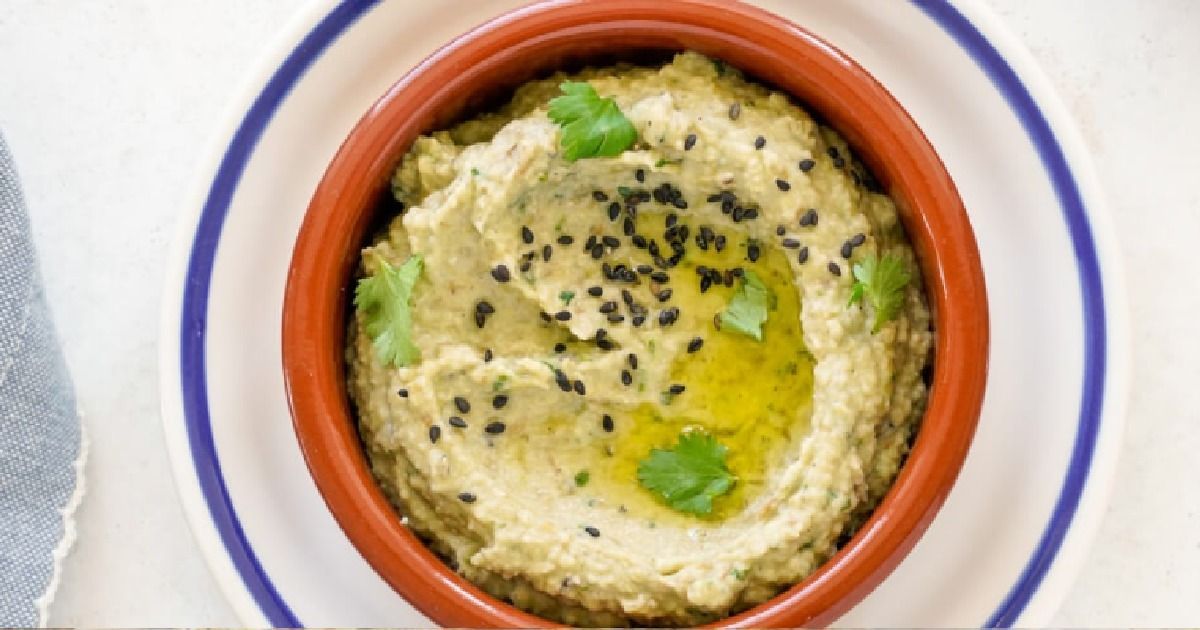
Balance fats by increasing healthy fats such as olive oil, nuts, and seeds while reducing saturated and trans fats.
Manage blood sugar, especially for individuals with diabetes or prediabetes. Stable blood sugar levels reduce stress on the vascular system.
Stay hydrated. Adequate water intake supports circulation and kidney function.
Dietitian care goes beyond a meal plan. It is personalized, realistic, and designed for long term success.
The Missing Piece Emotions and Stress
Chronic stress activates the nervous system, increasing heart rate, blood vessel constriction, and stress hormones such as cortisol.
Over time, this contributes directly to high blood pressure.
Ayurveda and Hypertension A Deeper Connection
In Ayurveda, health is a balance between mind, body, and spirit.
Hypertension is often linked to imbalances such as Vata, associated with stress, anxiety, and irregular routines, and Pitta, associated with intensity, anger, and inflammation.
Ayurvedic Support Strategies
Support the nervous system through meditation, breathwork, and grounding routines.
Focus on emotional digestion. Just like food, emotions need to be processed. Unprocessed emotions can create internal pressure that may manifest physically over time.
Practice mindful eating by slowing down, eating in a calm environment, and connecting with food.
Incorporate herbal support when appropriate, such as ashwagandha for stress support and arjuna for heart health.
Bridging Dietetics and Ayurveda
The integration of dietetics and Ayurveda creates a powerful and comprehensive approach to health.
Dietitian care focuses on nutrient balance, evidence based practice, disease prevention, and structured planning.
Ayurveda emphasizes energy balance, mind body awareness, root cause healing, and alignment with individual rhythms.
Together, they create true holistic care.
Final Message: Prevention is Power
Hypertension does not have to be inevitable.
With nourishing food, emotional awareness, lifestyle changes, and professional guidance, it is possible to prevent, manage, and even reverse early stages of high blood pressure.
Call to Action
This World Hypertension Day and National Blood Pressure Education Month, check your blood pressure, evaluate your daily habits, pay attention to your stress and emotions, and seek guidance from a qualified dietitian.
Health is not just what you eat. It is how you live, feel, and show up every day.