July Is Chronic Disease Awareness Month: Why Prevention Starts with Your Daily Choices
Every July, we recognize Chronic Disease Awareness Month, a time to bring attention to one of the greatest health challenges facing our communities. Chronic diseases affect millions of people, but many cases can be prevented—or their progression slowed—through healthy lifestyle habits.
What Are Chronic Diseases?
Chronic diseases are long-lasting health conditions that often develop over time. They include:
- Heart disease
- Type 2 diabetes
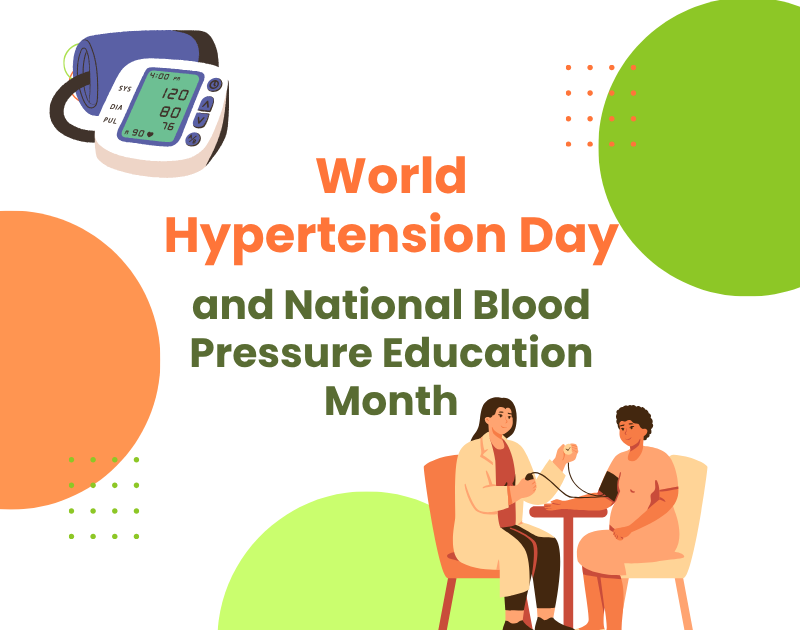
- High blood pressure
- Obesity
- Stroke
- Chronic kidney disease
- Some types of cancer
- Non-alcoholic fatty liver disease
These conditions can significantly affect quality of life, increase healthcare costs, and reduce life expectancy.
Why Is This Such a Big Problem in the United States?
The United States has one of the highest burdens of chronic disease among high-income countries. According to the CDC:
- 6 in 10 U.S. adults have at least one chronic disease.
- 4 in 10 adults have two or more chronic diseases.
- Chronic diseases are responsible for most deaths and account for the majority of healthcare spending.
While genetics can influence disease risk, our daily habits play a much larger role than many people realize.
The Good News: Many Chronic Diseases Are Preventable
The choices we make every day have a powerful impact on our health. Small, consistent changes can reduce inflammation, improve metabolic health, and lower the risk of developing chronic disease.
Nourish Your Body with Real Food
Choose foods that are as close to their natural form as possible:
- Fresh vegetables and fruits
- Whole grains
- Beans and legumes
- Nuts and seeds
- Healthy fats like olive oil and avocado
- Lean proteins and fish
Try to limit highly processed foods that are high in added sugars, refined carbohydrates, unhealthy fats, and excess sodium.
Remember:
Real food doesn't come from a factory—it comes from nature.
Move Your Body Every Day
Physical activity doesn't have to be intense. Walking, cycling, swimming, strength training, yoga, and gardening all contribute to better health.
Aim for:
- At least 150 minutes of moderate physical activity each week
- Muscle-strengthening activities at least twice a week
Prioritize Quality Sleep
Poor sleep is linked to obesity, diabetes, heart disease, and depression. Most adults benefit from 7–9 hours of quality sleep each night.
Manage Stress
Chronic stress affects hormones, blood sugar, blood pressure, and inflammation. Healthy ways to manage stress include:
- Meditation
- Deep breathing
- Spending time outdoors
- Connecting with loved ones
- Practicing gratitude
- Yoga or mindfulness
Prevention Is More Powerful Than Treatment
Many people wait until symptoms appear before making changes. But prevention begins long before disease develops. Every healthy meal, every walk, every good night's sleep, and every positive choice is an investment in your future health.
You don't have to be perfect. Progress matters more than perfection.
Final Thoughts
This July, take a moment to evaluate your daily habits. Small changes made consistently can lead to lasting improvements in your health.
As a Registered Dietitian Nutritionist, I believe food is more than fuel—it is one of the most powerful tools we have to prevent chronic disease, support healing, and improve quality of life.
Your health begins with the choices you make today.
Start small. Stay consistent. Your future self will thank you.