A Heart Attack at 50 Often Begins at 20
Heart disease doesn’t develop overnight. It builds quietly over decades, influenced by daily habits long before symptoms appear. What we eat, how we manage stress, how well we sleep, how we move our bodies, and how balanced our internal systems remain over time all play a role in long-term heart health.
The Slow Build-Up We Don’t Feel
In our 20s and 30s, the body is resilient. Poor sleep, frequent sugar intake, highly processed foods, chronic stress, and irregular meals may not cause immediate symptoms—but they create internal strain and imbalance.
Over time, this can contribute to:
- Blood sugar dysregulation
- Chronic low-grade inflammation
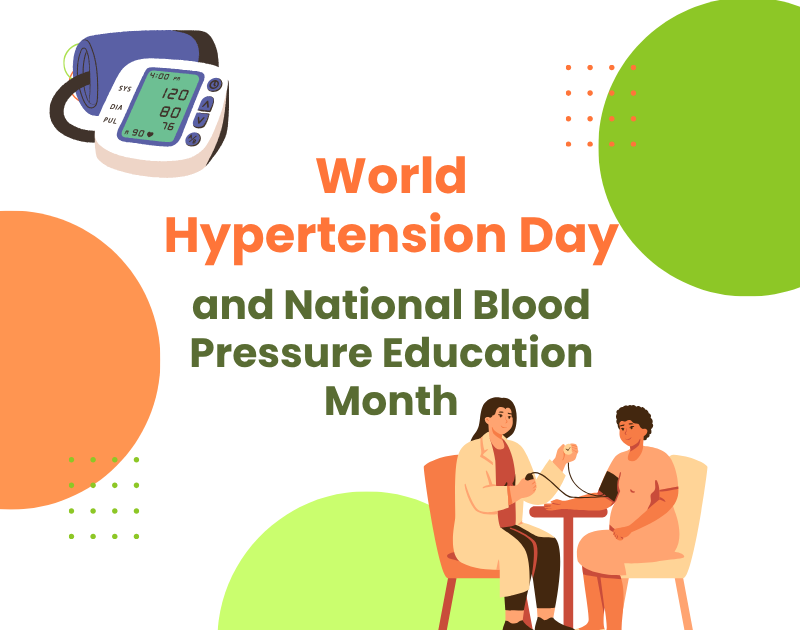
- Elevated blood pressure
- Unfavorable cholesterol patterns
- Fatigue, weight changes, and metabolic stress
By the time heart-related symptoms appear in our 40s or 50s, the foundation may have been forming for years.
Nutrition Is More Than Calories or Weight
As a Licensed Dietitian specializing in chronic disease prevention and diabetes care, I work with individuals who want to protect their heart while still enjoying food and life.
Heart health is not just about calories or restriction—it’s about how food is digested, absorbed, and utilized by the body, the timing of meals, and supporting steady energy, circulation, and metabolic balance throughout the day.
Supporting the Heart From the Inside Out
Long-term heart health is built through consistent daily practices that support the body as a whole:
- Eating warm, nourishing meals that support digestion
- Choosing foods close to their natural form
- Including healthy fats that support circulation
- Eating at regular times to stabilize blood sugar
- Managing stress through breath, movement, and mindfulness
- Honoring rest and sleep as essential parts of heart care
These habits reduce internal strain and support the heart long before disease develops.
Prevention Starts Earlier Than We Think
Heart disease is still the leading cause of death in the United States, yet much of it is preventable. The habits built in early adulthood influence cardiovascular health decades later.
Whether you’re in your 20s focusing on prevention or in midlife managing conditions like prediabetes, diabetes, or high blood pressure, small, consistent changes can make a meaningful difference.
Why We Care: The Bigger Picture
Heart disease is not just a personal health issue—it’s a national one. It remains the leading cause of death in the United States for both men and women, surpassing cancer and other major causes.
Every year, hundreds of thousands of lives are lost to heart disease, affecting families, communities, and healthcare systems across the country. Many of the risk factors—high blood pressure, diabetes, chronic stress, inflammation, and poor nutrition—are deeply connected to daily lifestyle patterns.
That’s why prevention matters. When we focus on supporting digestion, managing stress, nourishing the body consistently, and maintaining balance early in life, we have the power to change long-term outcomes.
A Gentle Reminder This February
Your heart is shaped by daily choices, not quick fixes. Supporting balance, nourishment, movement, and rest today is an investment in your future health.
This February, let’s shift the focus from fear to empowerment—because heart health doesn’t start at 50. It starts now.
Ready to support your heart before problems begin?
As a Licensed Dietitian specializing in chronic disease and diabetes care, I help individuals create realistic, sustainable nutrition and lifestyle strategies that support long-term heart health—without restriction or overwhelm.
If you’re ready to take a proactive approach to your health, I’d love to work with you.
👉Schedule a consultation or learn more about working together.